



In recent years, the exhibition industry has seen a significant influx of certain type of European aluminium system builds, which has become increasingly prominent across the show floor. These systems are often marketed as a truly sustainable solution for the industry. However, the environmental credentials of aluminium systems are more complex than they first appear.
One part of the sustainability conversation is rarely given enough attention – where does the aluminium come from in the first place? Aluminium production begins with the extraction of bauxite, a process that can involve significant land disturbance, habitat loss and environmental pollution. The conversion of bauxite into alumina also produces a substantial by-product known as red mud, a highly alkaline waste material that requires careful management and long-term storage. These impacts occur long before the aluminium is formed into an exhibition system, yet they are rarely part of the conversation when aluminium is presented as a sustainable solution. Reusability is an important consideration, but it should not mean overlooking the environmental cost embedded in the raw material itself. I would encourage anyone interested in the true environmental impact of aluminium to look up “red mud” and explore its environmental consequences for themselves.
At the same time, the narrative around these systems is increasingly being shaped by a relatively small number of major suppliers, raising questions about the commercial interests behind the sustainability claims and the margins being achieved.
If only there was a product out there which was not only cost effective and sustainable in use and wouldn’t require major upfront investment.
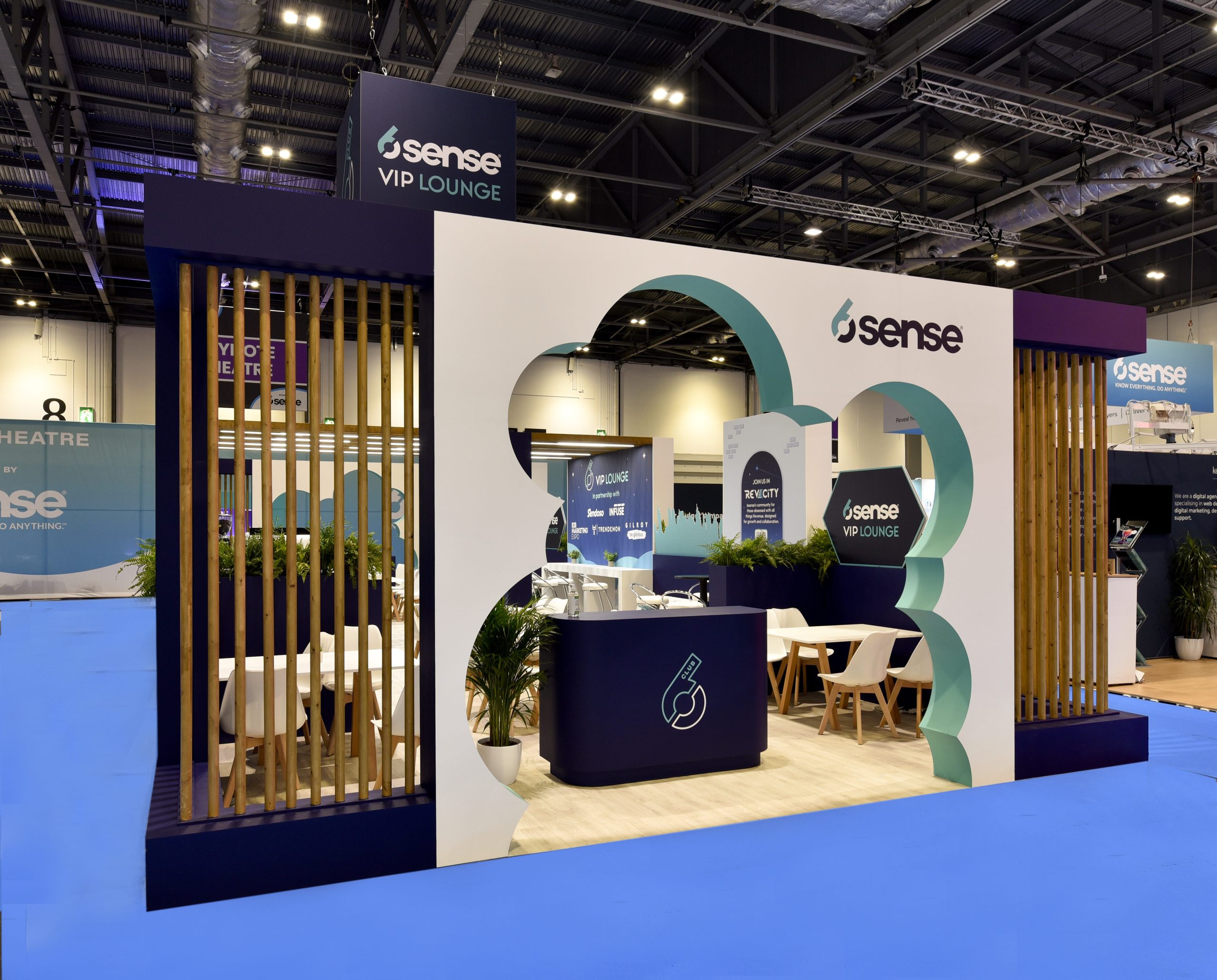
Traditional stock panels are the forgotten hero of the industry and are often mislabelled as ‘bespoke build’ or ‘single use’. Stock panels are, by their very nature, an excellent example of sustainability by design. Provided they are constructed from FSC certified timber, they are almost literally grown out of the ground. They are more flexible and adaptable, when compared to aluminium systems, therefore they are easier to incorporate into show stopping designs. They can be finished in a range of surface treatments, offering the end customer with a wide variety of design options. They are lightweight – which in turn helps in reducing transport costs. They are re-usable – I have it on good authority that if they are well looked after, they can remain in in regular use for several decades. They can also be easily patched up and repaired, prolonging their usefulness even further. At the end of their lifespan the constituent parts of a trad panel can largely be recycled and/or composted, with any remaining residual waste available to be processed, through waste to energy incinerators, to provide valuable heating or electricity.
At Flow we are not only champions of the stock panel we take this approach further and re-use almost everything from counters and reception desks, to platform floors and box timber soffits.
We were part of the consultee group for the Better Stands initiative – part of the Net Zero Carbon Events program. This initiative aims to promote a new ecosystem for service providers, organisers and exhibitors helping to create a more sustainable and future proof industry.
We are actively involved in the ESSA sustainability training and are currently working towards ESSA sustainability accreditation to align ourselves with ISO standards – demonstrating our commitment towards achieving a sustainable future.
We regularly review our material supplier base and invite reps in to talk us through their latest sustainable product ranges. We hold regular meetings with our build teams to share what we have learned so the information is not siloed.
For us, circularity is not about choosing one material over another or following the latest sustainability narrative. It is about looking at the entire lifecycle of what we build — where materials come from, how they are manufactured, how often they can be reused, how easily they can be repaired, and ultimately what happens to them at the end of their useful life. There is no single material or system that provides the answer to every sustainability challenge. The real opportunity lies in designing smarter, challenging assumptions and making the most of the materials and resources we already have. At Flow, we believe that a genuinely circular approach starts with asking better questions — and being prepared to look beyond the obvious answers.
– Written by David Horne, Senior Designer & Project Manager
